

The short answer
A lead dad is the go-to parent in his home: whether he stays home full time or works, he owns the caregiving and the mental labor, from tracking appointments to staying home with sick kids, often in support of his partner's career. An estimated 25 million dads in the United States fill this role, and the number is growing. The rise of stay-at-home dads and lead dads matters because caregiving and providing were never meant to be gendered roles. When both parents can nurture and provide, the invisible load becomes something shared instead of something one person drowns in.
Listen to Episode 261 · with Paul Sullivan
We talk a lot about the invisible load of motherhood–the mental and emotional labor that so many moms are drowning in.
But I know that there is also an invisible load for dads–pressure and gender norms that keep them pigeon-holed the same way many moms are.
There are many dads out there who are willing to share in the load and break away from traditional gender norms or pre-defined roles. There are many who are stay-at-home dads who do carry so much of the labor.
And there are many more who want to be more involved, who want to take on more of that role, but feel pressured to fall into more traditional norms.
But when we can break away from one-dimensional boxes, and allow all parents to show up both as nurturers and providers, rather than defaulting into specific roles, everyone benefits. Everyone becomes empowered. And the invisible load goes from being unsustainable to something shared together.
This week on The Momwell Podcast, I’m joined by Paul Sullivan, founder of The Company of Dads—a platform for “lead dads” (stay-at-home dads, those who are the primary caregiver, or those who actively take on caregiving and mental labor in the home). We discuss gender norms and traditional roles, the benefits to families and society of the rise of stay-at-home dads, and how families can carve out their own paths.
Using the Term “Lead Dad” vs. Stay-at-Home Dad
Paul became the “lead dad” in his home when his wife started her own asset management firm. She was the higher income earner–and he was able to work a flexible schedule while being the primary caregiver at home. As he stepped into the role, he started writing about lead dads, eventually forming a following and later a community through The Company of Dads.
Paul defines lead dad as a dad who is the “go-to” parent, whether he fully stays at home or works full or part-time but takes on that primary default parent role (a role that traditionally falls to moms in different-sex relationships).
The lead dad owns the primary role to support his partner’s career.
The lead dad owns the primary role to support his partner’s career. He often manages cooking, cleaning, and caregiving, along with spearheading the mental and emotional labor, like planning play dates and activities, keeping track of appointments, and being the one who stays home when the children are sick.
Paul prefers the term lead dad to “stay-at-home dad,” not just because it is more inclusive (parents can work outside the home and still fulfill that “go-to” role), but also because he wanted a term that felt proactive and inspiring.
Lead dads are empowered in their families, connected to their children, and supportive of roles that challenge traditional gender norms. The lead dad movement is about stepping into a role beyond the traditional one-dimensional box of dad.
After he started writing about the idea of a lead dad, Paul discovered that there were more dads filling this role than he ever could have imagined–approximately 25 million in the United States.
The rise in stay-at-home dads and dads taking on this lead role has skyrocketed–and Paul believes that is a good thing for families and society in general.
Why Workplaces Need to Support Dads in their Role
While moms still typically carry the bulk of invisible labor in the home, things have changed–and continue to change. Many dads want to be more actively involved, become the primary stay-at-home parent, or step into the lead role.
But workplace cooperation is a challenge. Employers often resist flexible work schedules that would allow caregivers to maintain more of a balance–something working moms have encountered as well.
Paul said that lead dads are natural allies for working moms–and that they should push for workplace flexibility for all caregivers. That’s why Company of Dads isn’t just a supportive community–it’s also an advocacy group. They help educate workplaces on the value of supporting families.
Support for caregivers can be a win/win for parents and employers.
Support for caregivers can be a win/win for parents and employers. Paul pointed out that having children requires flexibility–and companies suffer and lose money when employees leave and seek more supportive environments.
The Importance of Communication About the Invisible Load
While the number of stay-at-home dads is rising, most families with two parents in the home still rely on two incomes. And even in two-income households, moms are more likely to be the ones carrying not just the bulk of the physical labor but the mental and emotional labor as well. This can lead to resentment and relationship conflict.
This is why Paul advocates for lead dads to take ownership in the home. When both parents actively handle mental labor, the load is more sustainable for everyone.
But this is tough when gender norms and social expectations are at play. Moms often find themselves defaulted into the invisible labor without realizing it.
Paul said that communication is the key to tackling these issues and addressing conflict over the invisible load. When we don’t openly discuss the mental load, resentment can brew.
It can be tempting to see our partner as the problem—especially if we feel unseen and undervalued. But productive communication is what leads to change. Paul pointed out that a low-stress conversation—and remembering to maintain empathy—can be a starting point to redistribute the load and work as a team instead of against each other.
Why We Need to Redefine the Role of “Provider”
One of the reasons it can be hard for dads to step into the “lead dad” role is that gender norms are so heavily ingrained—we’ve been conditioned to think of moms as “nurturers” and dads as “providers.”
This is hard to overcome—even for families that want to rethink the roles and the way labor is shared.
Dads might feel pressured to work more, sacrificing family time, to fulfill that “provider” role. Paul pointed out that studies show when men choose family time over the workplace, they can be penalized in their careers. If their partners are staying at home during maternity leave, they might feel even more obligated to work longer hours and fill the loss in income in the name of being the “provider.” This can reinforce gender norms—even unintentionally.
But Paul said that we need to rethink the word “provider,” looking at it more expansively. Providing shouldn’t just mean earning more money or providing financially. We provide so much more than money for our families—we provide time, affection, security, safety, validation, emotional support, and more.
We’re all caregivers, and we’re all providers—these aren’t gendered roles.
Caregiving is providing. We’re all caregivers, and we’re all providers—these aren’t gendered roles, and they aren’t either/or.
The Benefits of Being a Lead or Stay-at-Home Dad
The lead and stay-at-home dads community is growing—a trend driven by young fathers who want to be more involved with their children.
Paul hopes that we can continue to normalize this trend and support dads to redefine fatherhood on their terms. In his community, he has seen how happy lead dads are to spend time with their children, show up for their families in a different way, and support their partners on their career paths.
It’s valuable for children to see both parents as caregivers and nurturers. Children benefit from attachment to multiple caregivers—and when we allow ourselves to parent in ways that work for our family, instead of roles defined by gender norms, everyone benefits.
When dads are involved and actively engaged in care duties, it creates a ripple effect.
Paul pointed out that lead dads set an example for their children, modeling the behavior they should expect in a relationship. When dads are involved and actively engaged in care duties, it creates a ripple effect—not just for their children but also for other dads in their social circles and communities.
Lead dads shouldn’t be belittled or looked down on. They shouldn’t have to feel isolated at playgrounds or left out of parenting circles. They are working to create more sustainable lives for working moms, change the way workplaces support families, and break cycles for their children.
Work with a Momwell therapist who specializes in maternal mental health.
In summary
- A lead dad is the default, go-to parent, whether he stays home or works. The term is broader than stay-at-home dad and describes roughly 25 million dads in the US.
- Providing is bigger than a paycheck. We provide time, affection, security, and emotional support, so caregiving is providing, and neither role belongs to one gender.
- Dads face their own invisible load: gender norms that penalize men for choosing family time and pressure them to overwork in the name of being the provider.
- Even in two-income homes, moms still carry most of the mental and emotional labor. Low-stress, empathetic communication about the load is what starts to shift it.
- Kids benefit from seeing both parents as caregivers, and involved dads create a ripple effect that reshapes expectations for other families around them.
Common questions
What is a lead dad?
A lead dad is the go-to parent in the home: the one who owns the caregiving and the mental and emotional labor, from planning activities to tracking appointments to staying home when a child is sick. He may stay home full time or work full or part time. The term is broader than stay-at-home dad, and an estimated 25 million dads in the United States fill the role.
How common are stay-at-home dads?
More common than most people assume, and rising. Counting both full-time stay-at-home dads and lead dads who work while carrying the primary caregiving role, there are roughly 25 million in the United States, a number driven upward by younger fathers who want to be more involved with their children.
Why is it hard for dads to take on the primary caregiving role?
Gender norms run deep. We are conditioned to see moms as nurturers and dads as providers, and studies show men can be penalized in their careers for choosing family time over work. Many dads who want to be more involved feel pressured back into the traditional box, which is why redefining provider to include time, affection, and emotional support matters.
Do kids benefit when dads share caregiving?
They do. Children benefit from secure attachment to multiple caregivers, and from seeing both parents as nurturers rather than one-dimensional roles. Involved dads also model what children should expect from a partner someday, and normalize shared caregiving for other families around them.
How do we redistribute the load when we've fallen into default roles?
Start with a low-stress conversation rather than a confrontation, since couples usually land in these roles through conditioning nobody chose. Name the mental and emotional labor out loud, keep empathy on both sides, and shift ownership of whole responsibilities rather than handing out tasks. If resentment has already taken root, working with a therapist can help you get back on the same team. Learn more about therapy for moms →

Written by
Erica Djossa
Registered Psychotherapist · CEO & Founder of Momwell
Erica Djossa is the CEO and founder of Momwell and a registered psychotherapist specializing in maternal mental health with over a decade of experience. A mother of three boys, she founded Momwell to set a standard of care for providers and ensure mom-centred, specialized mental health support at every stage of motherhood. She is a regular media contributor, featured in Time, USA Today, the Toronto Star, Cityline, and more.
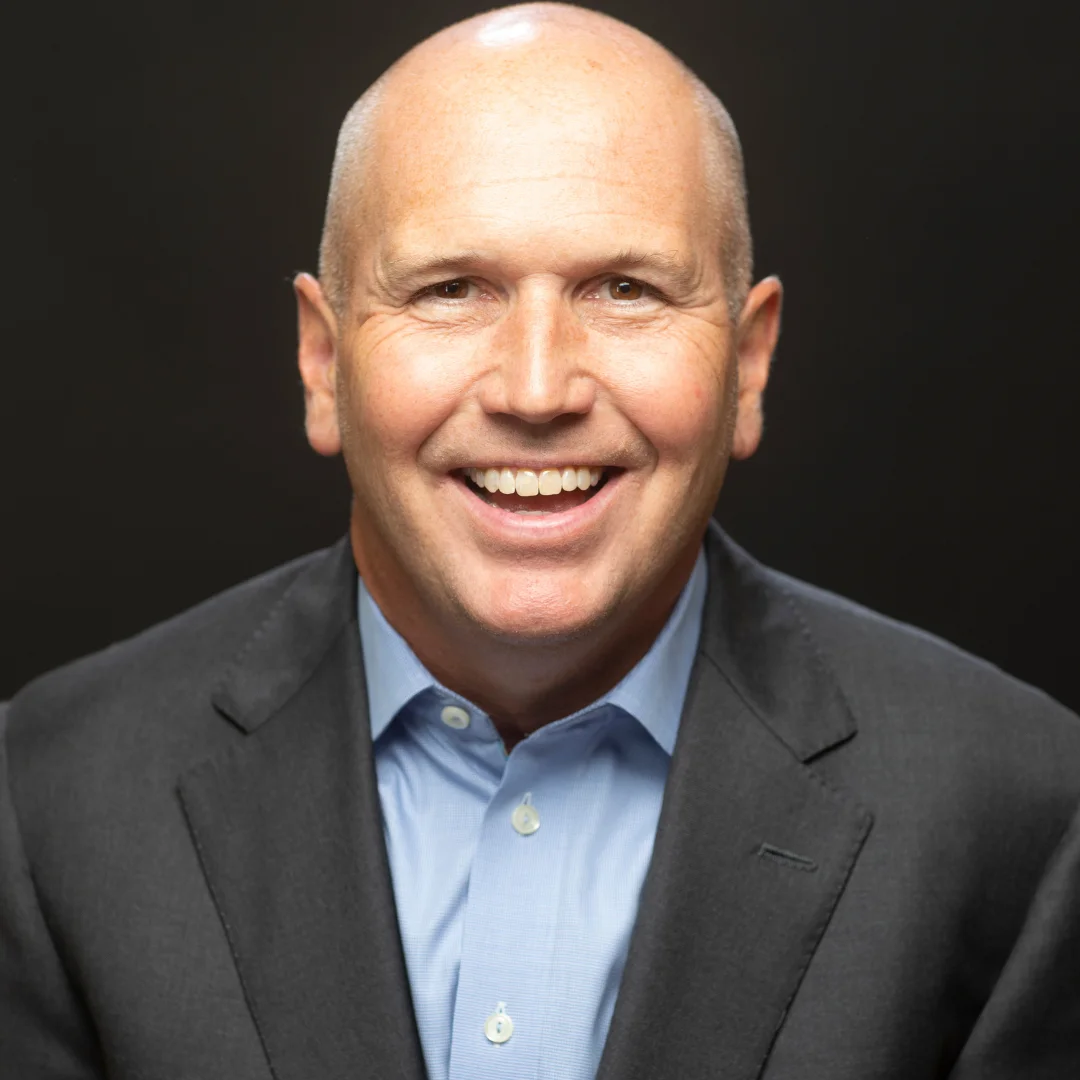
Featured guest
Paul Sullivan
Founder of The Company of Dads
Paul is the founder of The Company of Dads, the first platform dedicated to creating a community for Lead Dads. Its mission is to help Lead Dads feel less isolated and more confident that they have made the correct choice to take on the bulk of the parenting and family duties - or at the very least not embrace stereotypes around who does what at home.As a journalist for 25 years, his articles also appeared in Fortune, Money, Conde Nast Portfolio, The International Herald Tribune, Barron’s, The Boston Globe, and Food & Wine.