
How do I prepare for birth?
Preparing for birth is about more than just having a birth plan, it’s about knowing how to navigate the unexpected, manage fear, and advocate for your needs. Therapy offers a space to process birth-related anxiety, heal from past experiences, and develop tools to help you cope in labor and beyond.
Whether it’s your first birth or a subsequent one, labor and delivery can feel overwhelming. Therapy can help you develop coping strategies, process past birth experiences, and prepare emotionally for this major transition.

What it looks like
You might be feeling anxious about birth if...
Mentally preparing for birth means learning to manage fear and navigate the unexpected. If these feelings sound familiar, therapy can help.

Common questions

Is there any point in preparing when birth is so unpredictable?
You cannot control how birth unfolds, but emotional preparation changes how it feels to move through it.
- Preparation is for the unexpectedMental readiness was never about scripting a perfect birth, which no one can promise. It is about building the steadiness to meet whatever the day brings without feeling completely swept away by it.
- Feeling supported shapes the memoryMoms who feel supported and prepared report more positive birth experiences, even when labor does not go as planned. How held you feel often matters more to the memory than whether everything went to plan.
- Readiness lives inside youThe calm you build ahead of time travels with you no matter which way labor turns. Therapy can grow that sense of being emotionally ready, so the unknown feels less like a threat.



Do I have to have a “perfect” birth?
There is no perfect birth to get right, only your birth to feel supported through, however it unfolds.


I had a traumatic birth before, can I ever have a positive experience?
A hard birth before does not lock the door on a different experience this time. The past can be tended to.
- The past does not write the futureA previous traumatic birth is real and worth honoring, and it still does not decide what this one has to be. Each birth is its own experience, met with the support and understanding you may not have had before.
- Processing eases the gripGently making sense of what happened, often with a therapist, can soften the fear it left behind. As the old experience feels less raw, there is more room to approach this birth on its own terms.
- Gentleness is the path hereThere is no need to relive every detail or rush yourself toward feeling fine. Healing happens at a pace that feels safe, with someone alongside you who understands how much you have carried.
Key terms
The language of preparing for birth
Naming what you are carrying makes it easier to talk about and easier to ask for. These are the words that help mental preparation for birth feel a little more solid.
- What is a birth plan?
- A birth plan is a way of putting your hopes and preferences for labor into words, so the people around you understand what matters to you. It is a starting point for feeling heard, not a script that has to go perfectly.
- What is birth anxiety?
- Birth anxiety is the worry and fear that can build as labor gets closer, often about pain, the unknown, or things not going as planned. It is a common and understandable response to a big transition, and it does not mean anything is wrong with you.
- What does informed consent in birth mean?
- Informed consent means having your options explained clearly and getting to say yes or no with real understanding of what each choice involves. It is the difference between things happening to you and choices being made with you.
- What is a birth debrief?
- A birth debrief is the gentle work of going back through how a birth actually unfolded and how it felt, often with a therapist. It can help make sense of a confusing or painful experience and ease its hold on what comes next.

Do only first-time moms need birth prep?
Birth preparation is for any birth, because every birth and every season you meet it in is different.
- No two births are the sameA second or third birth is not a repeat of the first, and your life around it has changed too. Preparing again honors that this experience deserves its own care, not a copy of what came before.
- Past births travel with youEvery birth you have already had, easy or hard, shapes how you feel walking into the next one. Giving those feelings space ahead of time keeps old experiences from quietly steering this one.
- Support fits any chapterTherapy helps you process emotions and prepare no matter how many births you have had. Wanting support again is not a step backward, it is simply meeting yourself where you are now.
Free tool
~5 minFreePersonal Needs Inventory
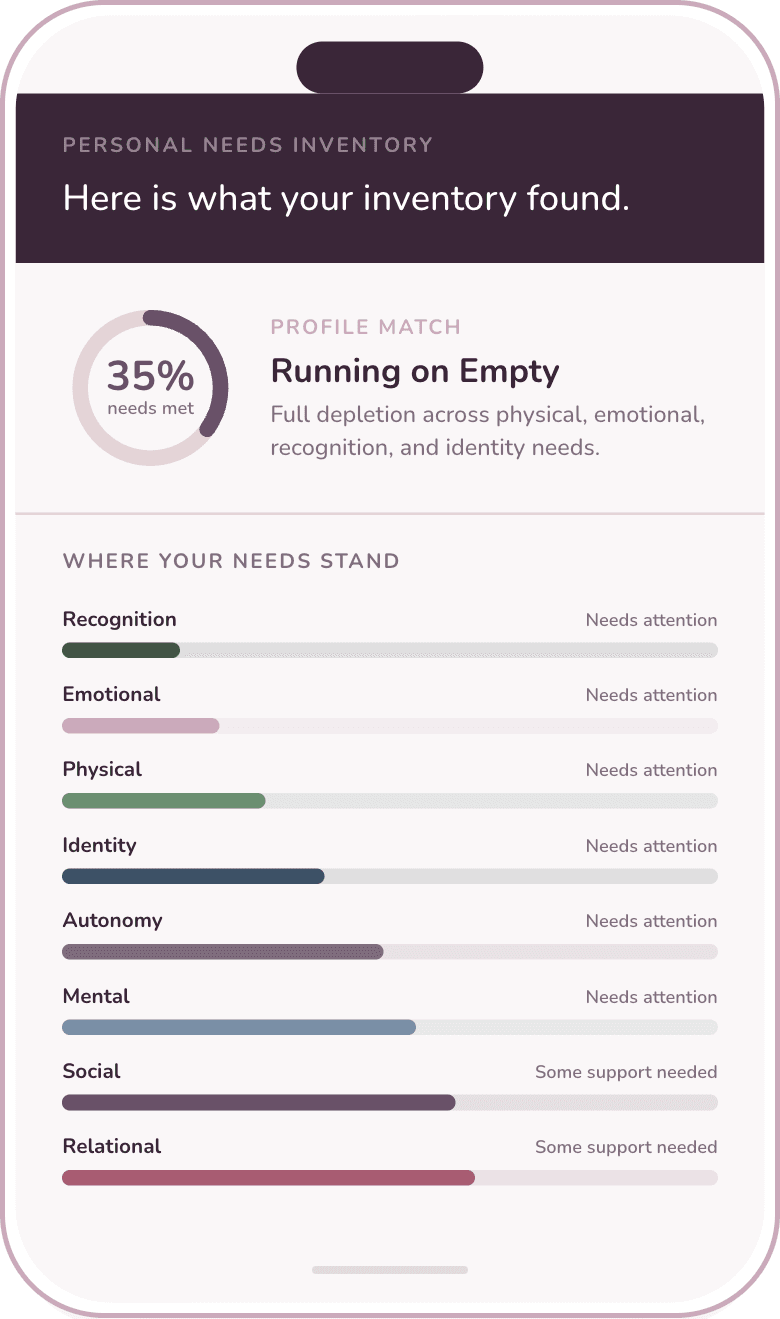
You already know something is off. The Personal Needs Inventory helps you get specific about what it is, across eight areas of your life, so you can finally see where to start.
Walking into birth with more steadiness starts with knowing where you are already stretched thin. This maps exactly which of your needs are going unmet, so you can build a little more capacity before the big transition arrives.
How therapy helps
Momwell can help you
However you are feeling about this birth, excited, anxious, uncertain, or all three at once, those feelings deserve a place to land.

Process your birth-related fears
It’s okay to feel anxious about labor. We’ll help you unpack your fears, talk through the “what-ifs,” and develop a mindset that helps you feel more prepared.
Learn coping strategies for labor
You don’t have to just “get through” birth, you can feel more in control. Our therapists teach mindfulness, breathing techniques, and emotional regulation skills to support you during labor.
Heal from a previous birth experience
If your last birth didn’t go as planned or left you feeling unsettled, you deserve space to process and heal. We’ll help you move forward with confidence and self-compassion.
Feel heard and empowered
Your voice matters. Therapy helps you advocate for your needs, communicate with your birth team, and make informed choices that feel right for you.
Prepare for the postpartum transition
Birth is just the beginning. We’ll help you create a realistic postpartum plan so that you feel supported and cared for in the weeks and months after delivery.
Bring every feeling, not just the tidy ones
Excitement, dread, and uncertainty can all be true at once before a birth. Our therapists are here to support you every step of the way.

If I’m scared of labor, does that mean I won’t handle it well?
Fear is not a sign you will fall apart. It is a sign that this matters deeply to you.
- Fear and care travel togetherFeeling scared of labor does not mean you will not cope when the moment arrives. More often it means you care about your experience and want it to go gently, which is its own kind of strength.
- Naming fear loosens itFear tends to grow heaviest when it stays unspoken and circling in your head. Saying it out loud, often with a therapist, lets you look at it directly instead of bracing against it alone.
- You can feel more equippedCoping tools and steadiness can be built ahead of time, so fear is not the only thing you carry in. Therapy can help you feel stronger and more equipped for whatever the day asks of you.

Should I just trust my doctor and go with the flow?
Trusting your team and using your own voice are not opposites. You get to do both.
- Trust and voice both belongYou can lean on the expertise of your medical team and still speak up for what matters to you. Advocating for yourself is not a lack of trust, it is part of being a partner in your own care.
- Questions are allowedAsking what your options are and what each one involves is your right, not an inconvenience. Understanding what is happening helps you feel like choices are being made with you, not just around you.
- Confidence can be practicedFinding your voice in a clinical room can feel daunting, especially in a vulnerable moment. Therapy can help you feel confident in your voice and choices, so speaking up feels more possible.

Should I just focus on the baby instead of my own emotions?
Your feelings are not a distraction from your baby. Caring for them is part of caring for both of you.
- Your experience matters tooIt is easy to assume your own emotions should take a back seat once a baby is on the way. Your experience matters in its own right, and tending to it does not take anything away from your child.
- Preparation is bigger than laborPreparing for birth is not only about getting through the hours of labor itself. It is about making sure you feel supported, empowered, and cared for through the whole transition.
- A cared-for mom is steadierWhen your own needs are seen and held, you meet what comes with more room and less depletion. Looking after yourself is not separate from looking after your baby, it is the ground underneath it.
Free tools and resources
Learn more about preparing for birth, free and at your own pace.



What clients say
Mom-centered, judgment-free care on your terms.
“I was struggling so much and feeling extremely overwhelmed as a new mother when I discovered Momwell. I thought I was the only one struggling and that there was something wrong with me for not being able to handle it all. After listening to the podcast, I’m feeling so much more like myself again! Motherhood is still hard, but I feel like I can finally breathe and enjoy it. Thank you, Erica!”
“I’d just gotten done crying after yelling at my children for the 100th time that day, feeling like I was a terrible mother, when I found the Mom Rage course. It was so comforting to hear people talking about exactly what I was going through–with NO judgment. I left with the tools I needed to recognize when I’m getting overwhelmed and bring myself back down. Our lives have gotten so much easier–I’m so grateful to Momwell!”