
What is depression during pregnancy?
Depression during pregnancy is real, common, and treatable. It is easy to explain the low mood away as just hormones, just being pregnant, or just being tired, but prenatal depression is more than that, and it deserves real support.
Pregnancy is often portrayed as a joyful time, but for many moms it can bring unexpected feelings of sadness, disconnection, or exhaustion. Prenatal depression is more common than many people realize, yet it often goes unrecognized.

What it looks like
You may be struggling with depression in pregnancy if...
Prenatal depression can be hard to spot from the inside, because so much of it gets blamed on the pregnancy itself. You might be struggling if you:

Common questions


Is it normal to feel depressed during pregnancy?
It is far more common than it looks. Depression affects up to 1 in 7 pregnant moms, and support is available.
- It is more common than it seemsDepression during pregnancy is rarely talked about, which can leave you feeling like the only one. The silence is what makes it feel rare, not the numbers, and feeling this way puts you in a great deal of quiet company.
- It has a recognizable shapeCommon symptoms include persistent sadness, irritability, fatigue, and loss of interest in activities. Seeing them named can be a relief, because it means what you are carrying has a name and a path forward.
- Support changes thingsTherapy and support reduce the severity of symptoms and improve mental health outcomes for moms and babies. Reaching out is not only for crisis moments, it helps you feel more like yourself sooner.


Is it okay that I don’t feel joyful about my pregnancy?
Not feeling the joy everyone expects doesn’t mean anything is wrong with you. You may not feel excited yet, you may still be adjusting to the idea of being pregnant, and whether this baby was planned or a surprise shapes how you process all of it. None of that means you love your baby any less.


Will it just go away once the baby is born?
Not always. Studies show that untreated depression during pregnancy often continues into postpartum, but getting support now can change that.
- It doesn’t always lift with birthIt is a comforting idea that the hard feelings will simply end when the baby arrives. For many moms, untreated depression continues into the postpartum months instead of resolving on its own.
- Support now helps both seasonsGetting support during pregnancy can help you feel better both during and after this time. Tending to it early means you are not starting from scratch once your baby is here.
- You don’t have to wait it outRelief doesn’t always come on its own, and you don’t have to wait for things to get worse before reaching out. Support is something you can choose whenever you’re ready, and you don’t have to reach a breaking point first.
Key terms
The language of depression during pregnancy
These words get used interchangeably, and that can leave you wondering what is happening to you. Naming what you are feeling is the first step toward the right kind of support.
- What is antenatal depression?
- Antenatal depression is depression that shows up during pregnancy, the months before your baby arrives (antenatal and prenatal mean the same thing). It can look like persistent low mood, exhaustion, numbness, or losing interest in things that used to matter, and it is common and treatable.
- Is it normal to feel depressed during pregnancy?
- Difficult feelings during pregnancy are far more common than they are talked about, and they are not a sign of weakness or of doing anything wrong. Pregnancy brings enormous physical, hormonal, and emotional change, and struggling through it is a human response. Common does not mean you have to accept it or white-knuckle through it, support helps.
- What is the difference between antenatal and postpartum depression?
- Antenatal depression happens during pregnancy, while postpartum depression develops in the year after birth, and the same person can experience one, the other, or both. In fact, research suggests up to a third of postpartum depression actually begins during pregnancy, which is why getting support before birth can make the postpartum season gentler too.
- What is gender disappointment?
- The grief of learning your baby’s sex is not what you had hoped for or imagined. It is far more common than moms admit, it does not make you ungrateful or a bad parent, and it usually softens as your baby becomes their own person rather than a category.

Will talking about my feelings make others judge me?
The fear of judgment is real, but opening up is what opens the door to the care and understanding you deserve.
- The fear is understandableWhen pregnancy is supposed to be joyful, admitting you feel low can feel risky. That worry makes sense, and it is exactly why so many moms stay silent when they most need support.
- A therapist is a safe place to startYou do not have to tell everyone, and you get to choose who you open up to. A therapist offers a judgment-free space where you can say the hard things out loud and be met with care.
- Being seen brings reliefOpening up about your experience allows you to get the care and understanding you deserve. Often the moment of being truly heard is the moment the weight starts to ease.
How therapy helps
Momwell can help you
If you’re struggling emotionally, you’re not alone, and you deserve support.

Make sense of your feelings
Your emotions are valid. We’ll help you understand what you’re going through and remind you that you’re not alone.
Build emotional resilience
Sadness, guilt, or hopelessness can feel heavy. Therapy provides tools to help you manage these feelings with more ease.
Reconnect with your pregnancy
If you feel disconnected from your pregnancy, we’ll help you process those emotions and find moments of joy and connection.
Let go of shame
Struggling with depression doesn’t mean you’re failing. We’ll help you replace guilt and self-doubt with self-compassion.
Navigate the changes with support
Pregnancy brings big emotional and physical shifts. We’ll help you adjust and cope in a way that feels manageable.
Protect your long-term well-being
Addressing depression now can help you prepare for postpartum and reduce the risk of further mental health challenges.
Does depression during pregnancy mean I’ll be a bad mom?
Depression is not a reflection of the kind of mom you are or will be, or of how maternal you feel. It is a health challenge, and getting help now supports both of you.
- It says nothing about your loveStruggling with depression during pregnancy is not evidence that you will fall short as a mother. It is a sign that you are going through something hard, not that you love your baby any less.
- Caring for yourself cares for your babyGetting help now supports both you and your baby’s well-being. The steps you take for your own mental health are steps you are taking for your child too.
- Seeking help is the opposite of failingReaching out is something a caring parent does, not something a failing one does. It shows you are already paying attention to what you and your baby need.
Free tool
~5 minFreePersonal Needs Inventory
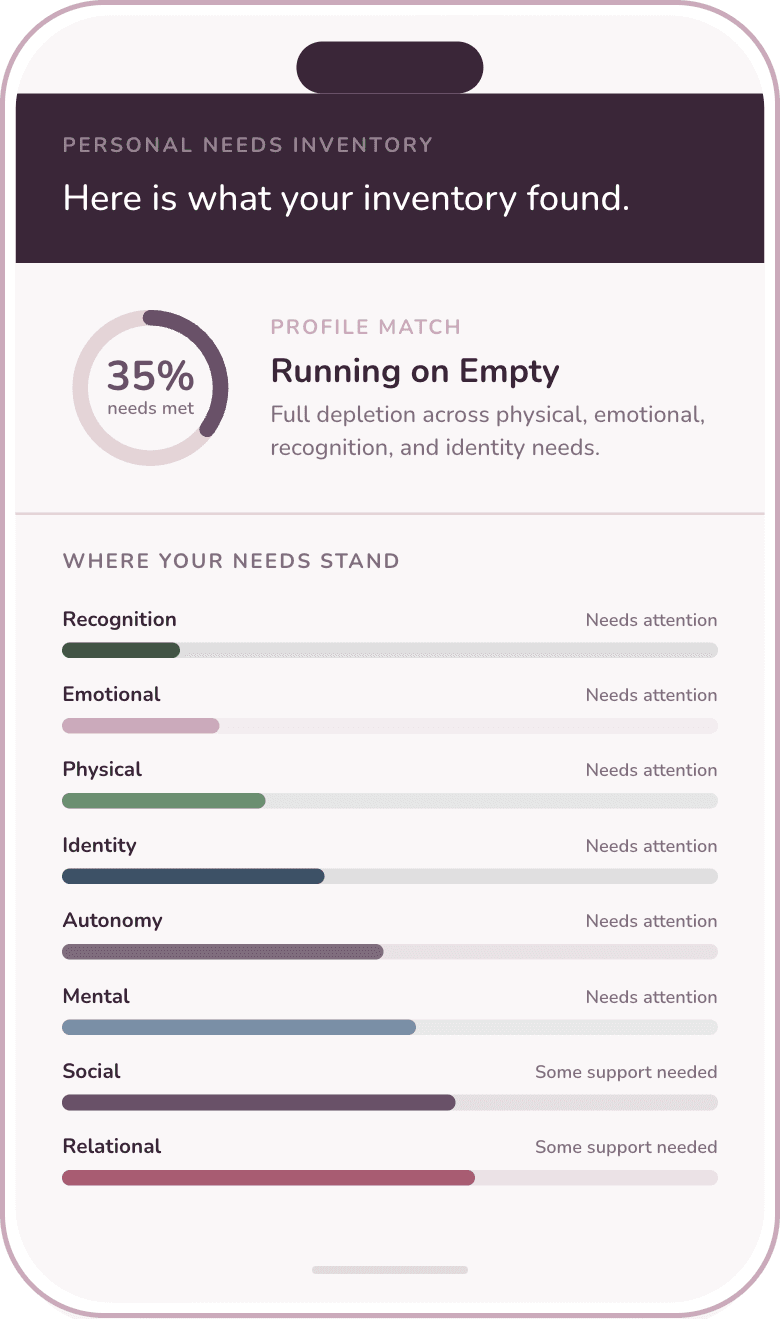
You already know something is off. The Personal Needs Inventory helps you get specific about what it is, across eight areas of your life, so you can finally see where to start.
Low mood in pregnancy so often grows in the gap between what you are carrying and what you are getting. This is a gentle, three-minute way to see that gap clearly, without judgment and without any scoring.
You leave with a snapshot of where you are depleted and a few concrete places to start, so the days ahead have a little more room to breathe.
Free tools and resources
Learn more about prenatal depression, free and at your own pace.



What clients say
Mom-centered, judgment-free care on your terms.
“I was struggling so much and feeling extremely overwhelmed as a new mother when I discovered Momwell. I thought I was the only one struggling and that there was something wrong with me for not being able to handle it all. After listening to the podcast, I’m feeling so much more like myself again! Motherhood is still hard, but I feel like I can finally breathe and enjoy it. Thank you, Erica!”
“I’d just gotten done crying after yelling at my children for the 100th time that day, feeling like I was a terrible mother, when I found the Mom Rage course. It was so comforting to hear people talking about exactly what I was going through–with NO judgment. I left with the tools I needed to recognize when I’m getting overwhelmed and bring myself back down. Our lives have gotten so much easier–I’m so grateful to Momwell!”