
What is anxiety during pregnancy?
Pregnancy anxiety is more than just the normal worries of expecting a baby, it’s a persistent, overwhelming feeling of fear, nervousness, or dread.
Pregnancy is a season of enormous change and uncertainty, and some worry comes with it. Pregnancy anxiety is different: the fear does not settle after a good appointment or a reassuring scan, it hums underneath the whole day and makes it hard to rest or feel excited.

What it looks like
You might be struggling with anxiety in pregnancy if...
While some worry is normal during pregnancy, overwhelming anxiety can make it hard to enjoy this time. If these feelings sound familiar, therapy can help.

Common questions

Is it normal to feel anxious during pregnancy?
Some worry is a completely normal part of expecting a baby. It is worth tending to when the worry turns constant, overwhelming, and hard to shake.
- A little worry is expectedPregnancy is a season of change and uncertainty, and some nervousness comes with the territory. Most moms feel it at some point, and it does not mean anything is wrong with you.
- Anxiety is more than ordinary worryPregnancy anxiety is a persistent, overwhelming feeling of fear, nervousness, or dread that lingers rather than passing. It can make it hard to enjoy a time you were hoping to savor.
- More common than anyone says out loudUp to 1 in 5 women experience significant anxiety during pregnancy. It can bring racing thoughts, sleep issues, muscle tension, and difficulty concentrating, and it responds well to support.



Does feeling this anxious mean I am doing pregnancy wrong?
Anxiety in pregnancy is your nervous system responding to uncertainty, not a sign that you are failing, and support can help you feel steadier.


Will pregnancy anxiety just go away after the baby is born?
Not always. Anxiety in pregnancy doesn’t reliably resolve on its own after birth, and the good news is that support can help you feel better sooner, whenever you’re ready to reach out.
- It can carry into postpartumAnxiety in pregnancy does not always lift once the baby arrives, and for many moms postpartum anxiety actually begins during pregnancy. Untreated, it increases the risk of postpartum mood and anxiety disorders (PMADs).
- Early support changes the roadWaiting until postpartum means walking into an already high-risk, high-stress season with the anxiety untreated. Getting it managed before the baby arrives makes the whole transition gentler.
- You don’t have to white-knuckle itThis is not something you have to endure quietly until it goes away. Naming what is happening early is what makes it easier to carry.
Key terms
The language of pregnancy anxiety
Pregnancy worry and anxiety get talked about as the same thing, but the words point to different experiences. Naming what you are feeling is the first step to getting the right support.
- What is antenatal anxiety?
- Antenatal anxiety is anxiety that shows up during pregnancy, a persistent, overwhelming feeling of fear, nervousness, or dread that goes beyond ordinary worry. It can bring racing thoughts, restlessness, and trouble sleeping, and it responds well to support.
- Is it normal to feel anxious during pregnancy?
- Some worry is a completely normal part of expecting a baby, and most moms feel it at some point. It becomes worth tending to when the worry is constant, hard to shake, or starts getting in the way of enjoying this time.
- What is the difference between pregnancy worry and an anxiety disorder?
- Ordinary worry tends to come and go and settles once you have an answer or some reassurance. Anxiety that lingers, takes over your thoughts, or keeps you from sleeping and functioning is a signal to reach out, not something you have to push through alone.
- Can anxiety during pregnancy affect my baby?
- It is natural to worry about whether your anxiety could affect your baby, and that worry itself is not a sign of harm. When researchers weigh these questions, untreated distress is considered alongside the benefits of treatment, which is why getting support is one of the kindest things you can do for both of you.

Should I be able to handle this on my own?
You don’t have to navigate pregnancy anxiety alone. Needing support is not a sign that you are failing.
- Needing help is not a weaknessReaching out for support does not mean you are falling short. It means you are taking your own well-being, and your baby’s, seriously.
- Anxiety is not a willpower problemYou cannot simply think your way out of a nervous system that is on high alert. The pressure to handle it alone often makes the worry heavier, not lighter.
- You deserve a place to be heardA therapist can help you understand what is fueling your worries with care and compassion. You do not have to make sense of it all by yourself.
Free tool
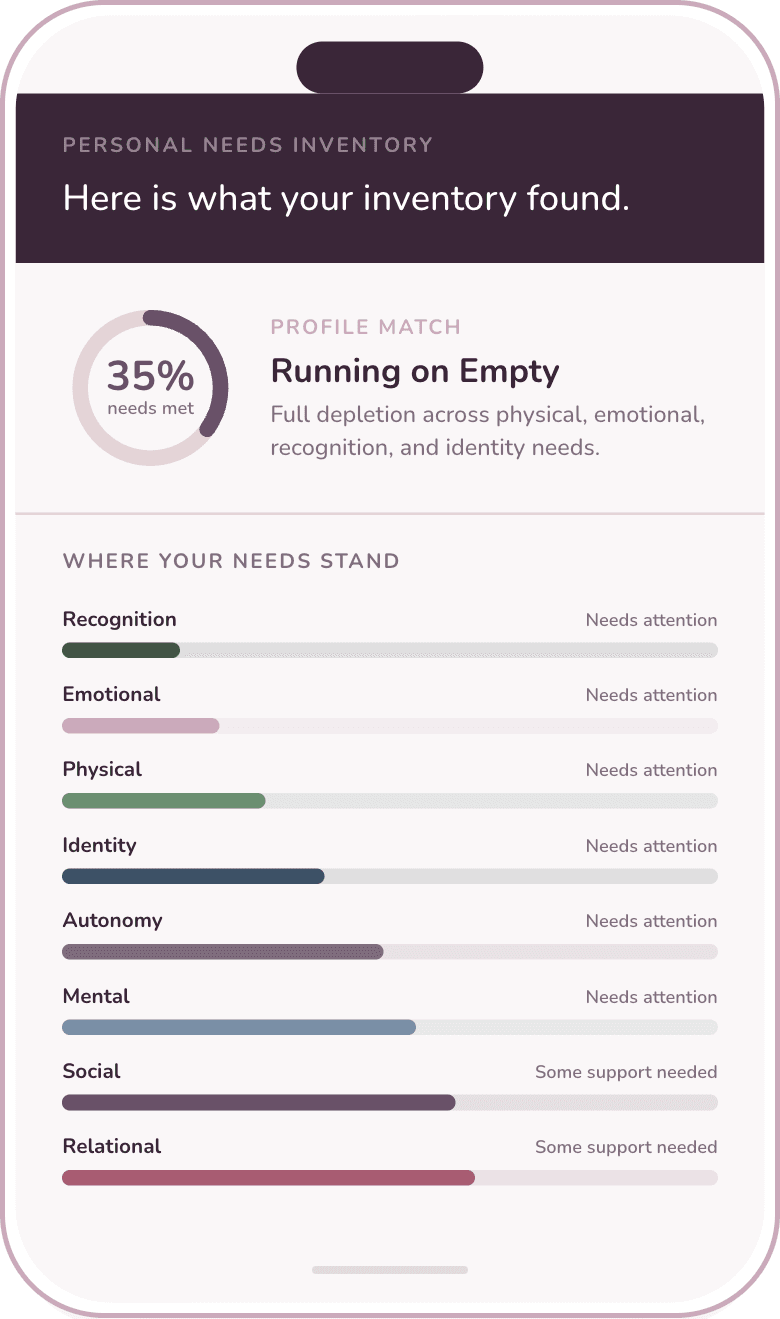
~5 minFreePersonal Needs Inventory
You already know something is off. The Personal Needs Inventory helps you get specific about what it is, across eight areas of your life, so you can finally see where to start.
Pregnancy anxiety often grows in the gap between everything you are carrying and the support you actually have. This is the quickest way to see that gap clearly, without judgment.
You leave with a snapshot of where you are depleted and a few concrete places to start, so the worry has a little more room around it.
How therapy helps
Momwell can help you
Anxiety in pregnancy can feel overwhelming, but you don’t have to navigate it alone.

Make sense of your feelings
We’ll help you make sense of your feelings and explore what’s fueling your anxiety, without judgment.
Find relief from racing thoughts
Your worries don’t define you. We’ll teach you gentle, effective strategies to quiet anxious thoughts and bring a sense of calm to your mind.
Build confidence and strength
Pregnancy comes with uncertainty, but you are more capable than you think. Therapy can help you feel more grounded and resilient as you prepare for what’s ahead.
Soothe the physical effects of anxiety
When anxiety shows up in your body, through tension, restlessness, or sleepless nights, we’ll help you find ways to ease the discomfort and reconnect with yourself.
Prepare for birth and motherhood
Fear of the unknown is normal, but you don’t have to go through it alone. We’ll work together to create a plan that supports your mental health through labor, postpartum, and beyond.
Prioritize your well-being
Caring for yourself now helps set the foundation for a healthier, more supported transition into motherhood. You deserve to feel steady, strong, and cared for.
Free tools and resources
Learn more about pregnancy anxiety, free and at your own pace.



What clients say
Mom-centered, judgment-free care on your terms.
“I was struggling so much and feeling extremely overwhelmed as a new mother when I discovered Momwell. I thought I was the only one struggling and that there was something wrong with me for not being able to handle it all. After listening to the podcast, I’m feeling so much more like myself again! Motherhood is still hard, but I feel like I can finally breathe and enjoy it. Thank you, Erica!”
“I’d just gotten done crying after yelling at my children for the 100th time that day, feeling like I was a terrible mother, when I found the Mom Rage course. It was so comforting to hear people talking about exactly what I was going through–with NO judgment. I left with the tools I needed to recognize when I’m getting overwhelmed and bring myself back down. Our lives have gotten so much easier–I’m so grateful to Momwell!”