

The short answer
If you keep thinking you just need to get your body back, here is the truer starting point: your body never left. Learning to embrace your postpartum body heals from the inside out, not the outside in. That means treating your body with compassion instead of punishment, rebuilding trust by listening to its hunger and fullness cues, and choosing movement that comes from love rather than guilt. From there, you expand your identity beyond appearance toward your values, relationships, and character. Your body carried you through pregnancy and birth and gave life, and it deserves gratitude, not criticism. If your relationship with food or your body feels overwhelming, a therapist who works in body image and eating disorders can help.
Listen to Episode 4 · with Dr. Morgan Francis
If you have caught yourself thinking I just need to get my body back, here is a gentler truth: your body never went anywhere. It carried you through pregnancy, birth, and the early days of motherhood, and it deserves compassion rather than punishment. Learning to embrace your postpartum body does not start with a smaller size or a stricter routine. It starts on the inside, by rebuilding trust with yourself and expanding who you are beyond how you look.
To untangle where our harshest body rules come from and how to heal them, we turned to Dr. Morgan Francis, a licensed professional counselor who specializes in body image and eating disorders.
What is body image, really?
Body image is more than a number on the scale or a reflection in the mirror. It is your attitudes, thoughts, feelings, and behaviors related to your appearance, from your head all the way down to your toes, and it is shaped over a lifetime by experiences, relationships, and the messages you absorb along the way.
That definition matters because it moves body image out of the realm of pure appearance and into your inner world. The way you feel about your body is not simply a fact about your shape. It is a story you have been told and have come to believe, and stories can be examined and rewritten.
This work is not about telling you what to eat, or how to move your body. It is about the relationship you have with your body, because that relationship is where the real healing happens.
Where do our harsh body rules come from?
If you hold your body to impossible standards, that pressure usually traces back to three places. The first is societal: research on communities with little exposure to Western media shows people embracing their bodies, while exposure to images of thinner ideals shifts how a whole population eats and treats itself. The second is family, including offhand comments from parents, grandparents, siblings, coaches, or teachers in childhood. The third is genetic, the bone structure and frame you were simply born with.
You did not earn your beauty, and you did not earn your body type either. Some people are born into larger bodies for reasons that have nothing to do with their relationship with food, yet diet culture places thinner bodies on a moral pedestal and treats them as superior. That is why we take advice from influencers who are not experts, and why weight loss gets praised even when we have no idea what someone is carrying.
Weight loss is not always good news. Someone can lose a significant amount of weight, be praised by teachers, friends, and family, and be malnourished and struggling underneath it all. An eating disorder is not defined by a number, and people of every body size are affected, so applause for a shrinking body can mask real suffering.
Is body image the same as self-esteem?
They are not the same. Self-esteem is built on external attributes and is deeply tied to Western culture, things like how well you performed on an exam, closed a deal, or played a sport. It is about measuring up on the outside.
The trap is that we treat body image as an external factor too, believing that loving ourselves requires getting smaller first. But body image is not healed from the outside in. It is healed from the inside out. People who have reached the thinnest version of themselves through anorexia are often deeply at odds with their bodies and in real distress, which shows that shrinking your body does not deliver the peace it promises.
The shift worth making is away from self-esteem and toward self-compassion. Self-compassion is the internal work of knowing you are enough regardless of your size, your income, or anything external. When your sense of worth is anchored inside you, the praise and criticism of others stop running your life.
How do I exercise after baby without punishing myself?
Movement heals more when it comes from love than from punishment, which means exercising out of appreciation for your body rather than to make it pay for not yet fitting into old clothes. The pressure to get back into the gym after a baby is intense, especially when you are sleep deprived, nursing, and working, and the scale will not budge no matter how hard you push.
The comparison is unfair from the start. The celebrities who appear to bounce back quickly often have night nannies, chefs, stylists, and personal trainers. Most moms are simply trying to keep their heads above water. So it helps to speak to yourself the way you would cheer on a struggling friend, and to honor what your body has just done. Your body never went anywhere. If anything, it elevated, because it gave life.
A healthy relationship with movement starts with a check-in before you move: are you going for this run because your body wants it and it eases your stress, or because you feel you have to make up for a slice of cake? It also helps to expand the very definition of movement to include walking in nature, gardening, dancing in your kitchen, chasing your kids, or gently stretching and connecting with your breath. Movement does not have to leave you collapsed on the floor to count. In the early postpartum weeks, check with your own healthcare provider before returning to exercise, since your body is still healing.
Can I ask not to be weighed during pregnancy?
You are allowed to set boundaries with your healthcare providers, including declining to be weighed unless it is medically necessary and asking not to be told the number when you are. There are many ways to track whether your baby is growing without weight shaming you the whole way through, and advocating for yourself this way is not demanding, it is taking ownership of your own care.
Some of the most painful body comments come from the very professionals who are supposed to help. One recovering client asked her OB-GYN not to reveal her weight, only to be told she was gaining too much and needed to lose weight, with a body mass index poster hanging in the waiting room. The BMI is an outdated measure, developed by an astronomer who never intended it to be used the way Western medicine applies it, and it ignores genetics, bone structure, ethnicity, and culture.
That same sense of agency extends to your social media feed. You are the consumer. If an account stirs up disruptions in your thoughts, feelings, or behavior, you are allowed to unfollow. Empowering yourself to say no, in the exam room and on your phone, is a skill many of us have to build on purpose.
How do I rebuild trust with my body?
You rebuild trust with your body through a practice called listen and respond: your body communicates constantly, telling you when it is hungry, full, or in need of care, and every time you override those signals, you chip away at its trust. Drinking water when you are truly hungry, or forcing a salad when your body wants a real meal, is a betrayal of that trust, the same way breaking a friend's confidence would be.
Listening and responding means honoring your hunger whenever it shows up and giving your body what it is actually asking for, with kindness rather than judgment. It also means reframing emotional eating, which is not the failing we treat it as. We are nurtured with food from the moment we are born, fed and held against our mother's chest, and food stays woven into every celebration and every loss throughout life. Rather than removing food, try adding something in: when you notice you are eating at night, journal and check in with how you are really doing, because as a mom that may be the only still moment you have to connect with yourself.
Many of us fear that trusting the body means we will never stop eating. As a general principle for a healthy relationship with food, the opposite tends to be true. Under the law of scarcity, the food we most fixate on is often the one we forbid ourselves, the one that feels off limits. Make it freely available and, for many people, it loses some of its grip, because the brain stops believing it is about to disappear. One important caveat: this is general body-image and food-relationship support, not treatment. If you are living with an active eating disorder, such as anorexia, bulimia, or binge-eating disorder, a structured plan with an eating-disorder-informed clinician comes first, because self-directed food freedom is not a substitute for that care.
How do I build an identity beyond my appearance?
Lasting change comes from expanding your self-concept so that your body is no longer the center of your worth. When your identity is rooted in your character, your relationships, your faith, your competencies, and your contributions to the world, a comment about your size loses its power to define your day.
The practical steps are refreshingly concrete. Removing everyday triggers, like a full-length mirror or magazines in the house, and treating no food as off limits, gives shame fewer places to take hold. Buying clothes that fit your body right now, rather than squeezing into a smaller size or chasing the body you had in high school, is an act of respect for the body you have today.
A few reminders are worth carrying with you. Fat is not a feeling, so when you say you feel fat, pause and ask what you are actually feeling underneath. You are not fat; you have fat, just as you have skin and hair, none of which define you. Healing starts from the inside out, and your appearance is the least interesting thing about you. Building an identity grounded in your values is the balm that takes the aches away.
If your relationship with food or your body feels overwhelming, or if you recognize yourself in the struggles with restriction or bingeing described here, you do not have to untangle it alone. A therapist who works in body image and eating disorders can help you rebuild trust with your body and expand your identity beyond appearance.
Work with a Momwell therapist who specializes in maternal mental health.
In summary
- Body image is your attitudes, thoughts, feelings, and behaviors about your appearance, and it is shaped by societal, family, and genetic influences rather than by personal failure.
- Dr. Francis emphasizes that body image heals from the inside out through self-compassion, not from the outside in by changing your size.
- Choosing movement out of love and appreciation for your body, rather than as punishment, protects both your mental and physical well-being postpartum.
- You are allowed to set boundaries with healthcare providers and on social media, including declining to know your weight and unfollowing accounts that stir up shame.
- Rebuilding trust with your body means listening to its hunger and fullness signals and responding with kindness, while making peace with food instead of forbidding it. If you are living with an active eating disorder, support from an eating-disorder-informed clinician comes first.
Common questions
How can I start improving my postpartum body image today?
Begin with self-compassion and a practice called listen and respond: honor your body's hunger and fullness cues with kindness rather than judgment. Remove everyday triggers like a full-length mirror or off-limits foods, and buy clothes that fit your body now instead of a smaller size you are chasing. If shame around your body or your relationship with food feels overwhelming, or you recognize yourself in patterns of restriction or bingeing, working with a therapist who specializes in body image and eating disorders can help you rebuild trust and expand your identity beyond appearance. Learn more about therapy for moms →
Why do I feel like I need to get my body back after having a baby?
That pressure comes from three sources: society and the thin ideal we absorb from Western media, offhand comments from family or coaches in childhood, and the genetic frame you were born with. It is amplified by comparison to celebrities who often have night nannies, chefs, and trainers, while most moms are just keeping their heads above water. Your body never went anywhere. It carried you through pregnancy and birth and deserves compassion rather than punishment.
What is the difference between body image and self-esteem?
Self-esteem is based on external attributes like performance at work, school, or sports, measuring up on the outside. Body image is often mistaken for an external factor too, but it is actually healed from the inside out. The goal is to move away from external validation and toward self-compassion, the internal work of knowing you are enough regardless of your size.
Does intuitive eating mean I will never stop eating?
For many people, the opposite of that fear tends to happen. Under the law of scarcity, the foods you forbid become the ones you fixate on, because your brain believes they are about to disappear. When you make all foods freely available and honor your hunger, they often lose some of their pull and eating settles. One important note: this is general food-relationship support, not treatment. If you are living with an active eating disorder, such as binge-eating disorder, bulimia, or anorexia, self-directed food freedom is not a substitute for care, and working with an eating-disorder-informed clinician should come first.
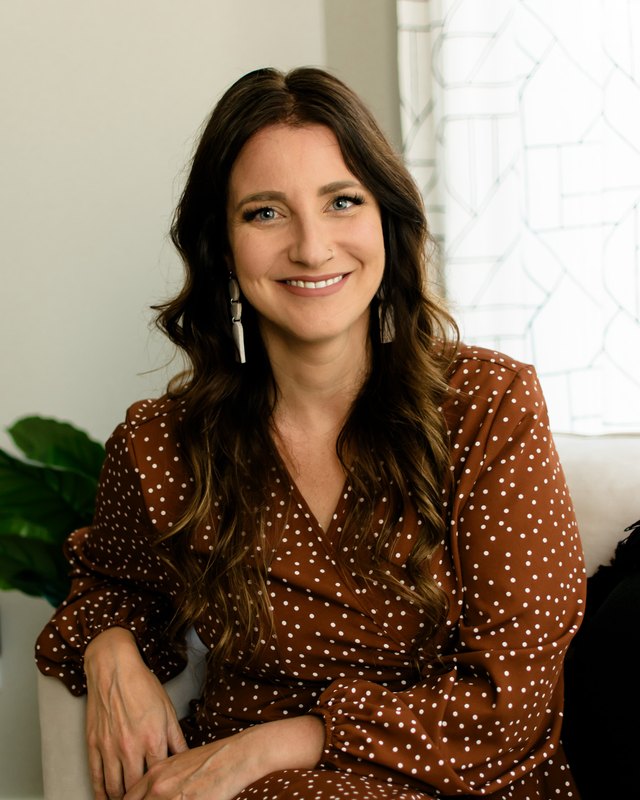
Written by
Erica Djossa
Registered Psychotherapist · CEO & Founder of Momwell
Erica Djossa is the CEO and founder of Momwell and a registered psychotherapist specializing in maternal mental health with over a decade of experience. A mother of three boys, she founded Momwell to set a standard of care for providers and ensure mom-centered, specialized mental health support at every stage of motherhood. She is a regular media contributor, featured in Time, USA Today, the Toronto Star, Cityline, and more.
Featured guest
Dr. Morgan Francis
Licensed Professional Counselor
With over 20 years in the mental health field, Dr. Francis is a Licensed Professional Counselor with a doctoral degree in Clinical Psychology. She is the founder and owner of Scottsdale Premier Counseling, a private practice in Scottsdale, Arizona providing individual, couples and group therapy. She specializes in the treatment of Body Image and Eating Disorders, Self Empowerment, Sexual Compulsive Behavior, Mood Disorders, Relationships, and Trauma.
Resources mentioned
Intuitive Eating by Evelyn Tribole and Elyse Resch, the foundational book behind the intuitive-eating approach discussed here.