
The short answer
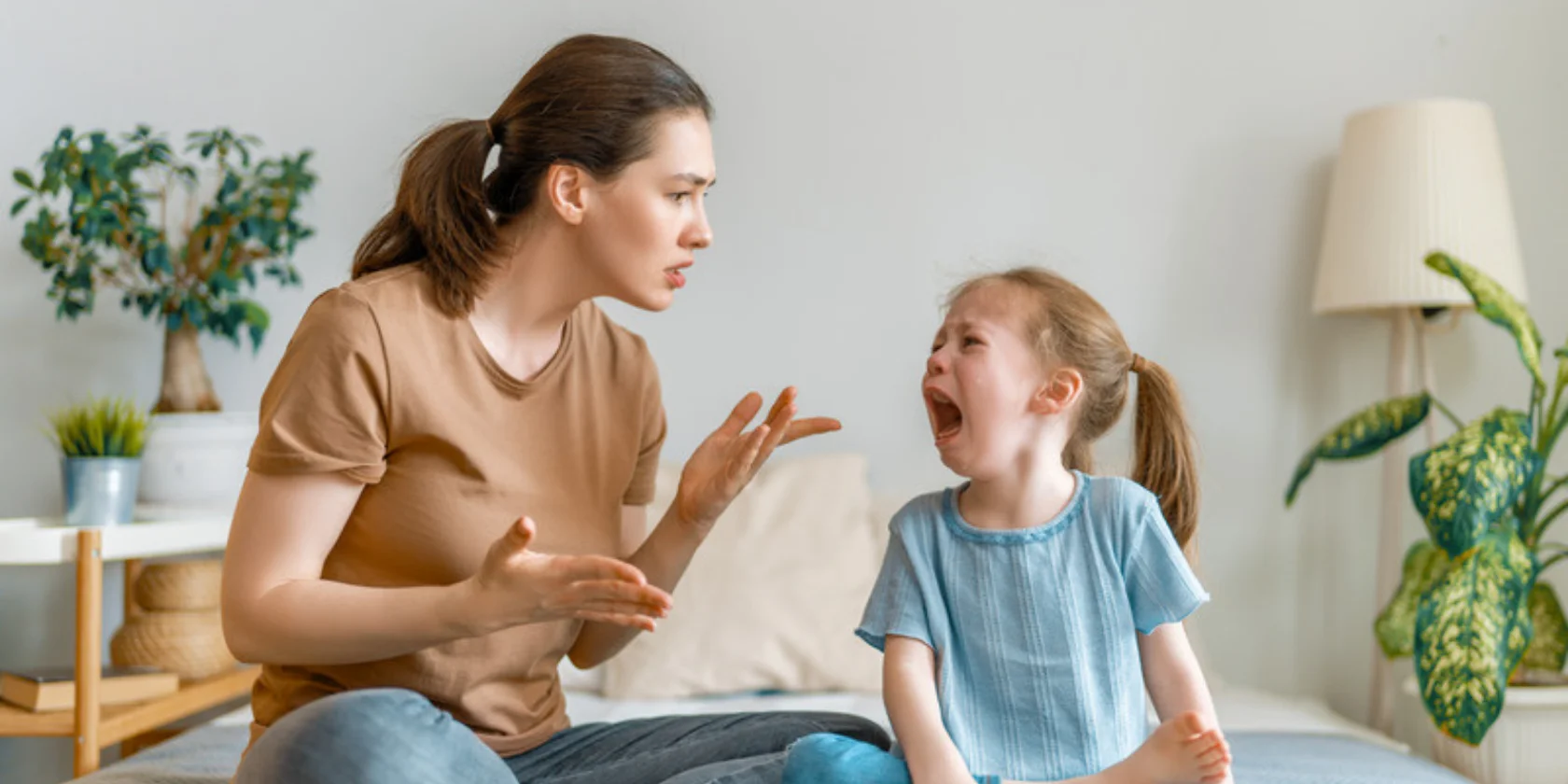
Mom rage is a growing, largely unspoken emotional crisis affecting moms across every socioeconomic group worldwide. It grows out of impossible modern expectations, the unpaid and unacknowledged labor moms carry, and the isolation of mothering without support. It is different from ordinary anger because of the shame attached: a dad's anger is read as situational, while a mom's anger is treated as a character flaw. The way through is not hiding it but examining it, getting curious about your triggers, and letting your rage point you to the needs underneath.
Listen to Episode 119 · with Minna Dubin
Being a mom is hard—harder than anybody bothers to tell you. We believe in an image of the perfect mother: nurturing, patient, and joyful. So why are so many modern moms battling inner rage?
Minna Dubin, author of New York Times pieces “The Rage Mothers Don’t Talk About” and “‘I Am Going to Physically Explode’: Mom Rage in a Pandemic,” joins me to discuss the cultural and societal context of mom rage.
Realizing We’re Not Alone
I remember reading Minna’s essay, “The Rage Mothers Don’t Talk About,” for the first time. It was a very brave piece—highlighting the way mom rage bubbles to the surface, the shame that it all too often brings with it, and the feeling of helplessness we feel when dealing with it.
When I read the essay, I could almost feel moms everywhere breathing a sigh of relief. It’s the same reason I talk about mom rage so often on the podcast and on my Instagram—moms want to know that they are not alone.
As Minna pointed out in our interview, we feel deep guilt and shame around mom rage, which leads us to believe that we are bad people and bad mothers. We feel isolated, and we don’t want to talk about the anger we experience.
Until we examine our rage and confront it, we can’t move past it.
But until we examine our rage and confront it, we can’t move past it. Minna said that “shame wants to keep things hidden. We can’t move into action if we’re just hiding.”
Instead of trying to constrain our mom rage, we can choose to work through it, to acknowledge that we are simply humans, with a range of emotions. From there, we can build skills to deal with it.
I talk often about mom rage from an individual standpoint—the way expectations and reality clash, the role of the perfect mom myth, and the importance of forgiving ourselves for not being perfect.
But part of confronting our rage is to take a step back and look at the broader context of the world in which we are mothering. Since writing her original mom rage essay, Minna has spent a lot of time researching the broader context of mom rage and how it plays out across cultures and societies. I was excited to sit down and speak to her about this topic.
By looking at both the large scope and the individual experiences, we can understand mom rage, address it, and even befriend it.
How to Define Mom Rage (and What Causes It)
Minna defines mom rage as a “growing unspoken emotional crisis that’s affecting moms of all socioeconomic groups, worldwide.”
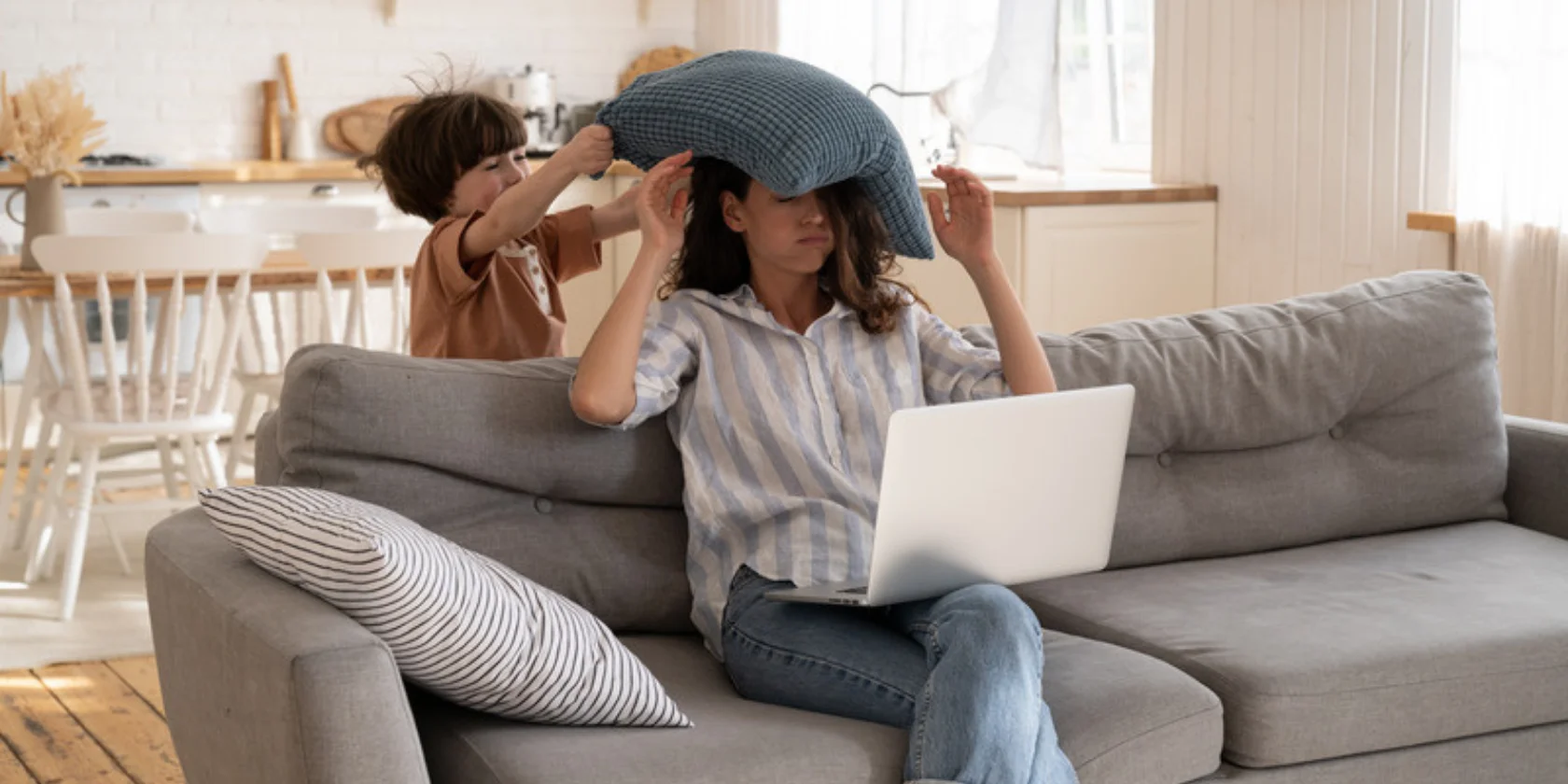
It’s caused by several factors. The first is the overwhelming stress modern moms experience. We have more roles and responsibilities than ever that center around taking care of the children and the home.
Being a mom is hard—especially with the expectations of modern motherhood.
Being a mom is hard—especially with the expectations of modern motherhood. We think that we need to be perfect, that we must sacrifice our own well-being for our children, and that we should be nurturing and calm at all times.
Another factor in mom rage is the lack of support moms receive, due to family structure and societal systems. Moms are carrying most of the labour in the home—and all the while, their work is unacknowledged, unpaid, and unsupported.
The expectations combined with that lack of support create isolation, leaving moms feeling lonely, overwhelmed, and unsure of where to turn for help.
Why Mom Rage is Different From Normal Rage
When I talk about mom rage, I often hear people say, “why does it have to be mom rage? It’s just rage! We all have it.” Minna has heard many dads say, “what about dad rage?”
Talking about mom rage doesn’t mean that other people don’t experience anger. It doesn’t mean that other roles are not hard. But, as Minna points out, moms and dads are not playing on the same field.
Moms carry different sociopolitical expectations that dads just don’t face. Not only are moms carrying the bulk of the labour and pressures in the home, and serving as the default parents, but their anger is also viewed differently.
For men, anger is viewed as situational. For women, anger is viewed as a character flaw. Dads are allowed to show anger without feeling a shame spiral afterward. Moms, on the other hand, are conditioned to believe they should be nurturing, and in control at all times. When they lose their cool, they drown in guilt afterward.
Even among moms, though, not all pressures and expectations are equal. Black mothers face a particularly delicate balance with mom rage. Black women are unjustly stereotyped as being angry. Yet, they carry the same internalized expectation of the “perfect mom.”
Race changes the playing field and comes with additional stigmas, often leaving black mothers feeling extra pressure to control their mom rage. Our class status, race, and gender all play into how we experience rage and how it is viewed, both by ourselves and others.
How Anger Manifests Itself Physically
Minna shared a story of a mom she interviewed in her book who used systems to keep her home regulated during the week. But when her husband was home on the weekends, the systems were completely thrown out the window. She got so angry that she slammed her fists against her thighs until it hurt.
Anger does often have a strong physical element—it comes through with physical expression, sometimes towards objects or even towards ourselves.
It’s important to remember that physical rage occurs on a spectrum.
It’s easy to be leery of discussing these physical reactions. But it’s important to remember that physical rage occurs on a spectrum. On one extreme, you might physically bite your tongue or press your fingertips to your temples. On the other extreme is violence towards others. There is a lot of grey in between.
It isn’t always easy to determine which physical expressions of anger are healthy and which are unsafe. That’s why it’s important to have someone to talk to. Maternal mental health specialists have training in the nuances of mom rage and can help you find healthy outlets to express your rage, in addition to helping you manage it.
How to Befriend Your Mom Rage
I’ve written before about the importance of becoming curious about our mom rage—digging deeper to discover where it’s coming from, how we can express it, what our triggers are, and what signs that it is about to bubble over.
Minna calls this “befriending” your mom rage. She personifies her rage—thinking of it as a person, so that she can approach it in a new light. By doing this, she can forgive herself, and also know herself on a deeper level.
We can also reflect back to times before we were moms and think about what triggers we had for anger then. Even though our rage was likely smaller, and perhaps more low-stakes, we all experience anger. Our past can reveal our triggers and help us understand ourselves in a better way.
Our past can reveal our triggers and help us understand ourselves in a better way.
Finally, we can use our partners to help us recognize and process our rage. Mom rage can sometimes separate partners, especially if we are ashamed to discuss it. But our partners can be helpful—after all, they know us better than anyone. Minna suggests coming up with a code word together that your partner can use if they notice your rage signs starting to surface.
The more curious we become and the more we understand our rage, where it stems from, what our triggers are, and what becomes the target of our rage, the more we can work through it, befriend it, and move past it.
Ultimately, we need to give language to our rage and acknowledge it, rather than trying to hide in shame and fear. Anger is human. It’s a normal part of parenting. If you experience rage, you aren’t a bad mom. You’re just a human being.
Struggling with mom rage? Make sure to check out All the Rage: Raising kids with less anger and more connection, a course designed to help you understand and manage mom rage. Register today!
Work with a Momwell therapist who specializes in maternal mental health.
In summary
- Mom rage is a worldwide, cross-class emotional crisis fed by three ingredients: overwhelming expectations, unacknowledged labor, and a lack of real support.
- Shame keeps rage hidden, and hiding keeps you stuck. Until we examine and confront our rage, we cannot move past it.
- Moms and dads are not playing on the same field: a man's anger is read as situational while a mother's is treated as a character flaw, and Black mothers carry an added unjust stereotype on top of the same perfect-mom pressure.
- Physical expressions of anger sit on a spectrum, and a maternal mental health specialist can help you find outlets that are healthy rather than harmful.
- Befriending your rage means getting curious: personify it, trace your triggers back before motherhood, and let your partner help you spot the early signs with a shared code word.
Common questions
What is mom rage?
Mom rage is intense, often sudden anger in motherhood, described as a growing unspoken emotional crisis affecting moms of all socioeconomic groups worldwide. It is fed by the overwhelming expectations of modern motherhood, the unpaid and unacknowledged labor moms carry, and the isolation of mothering without support. Rage in motherhood signals unmet needs, not a broken character.
Why do I get so angry as a mom when I never used to?
You are likely carrying more labor, more expectations, and less support than at any point in your life, while being told to stay calm and nurturing through all of it. Anger is the predictable response to unmet needs and injustice, and motherhood produces both in volume. Your past can also reveal triggers you carried in without realizing it.
How is mom rage different from regular anger?
The anger itself is human; the context is not equal. Moms carry sociopolitical expectations dads don't face, serve as the default parent, and then face a different judgment: male anger is read as situational, while a mother's anger is treated as a character flaw. That double standard breeds the shame spiral that makes mom rage so isolating.
Is it normal for anger to feel physical?
Anger lives in the body. We feel it physically, a racing heart, heat in the chest, clenched jaw or fists, and it often comes out through our behavior and reactions before we have consciously registered it. Physical expression sits on a spectrum, from pressing your fingertips to your temples to unsafe extremes, and it can be hard to judge your own from the inside. A maternal mental health specialist can help you find outlets that release the rage without harm.
How do I deal with mom rage?
Start with curiosity instead of shame. Trace where the rage comes from, what your triggers are, and what your body does right before it spills over, and ask your partner to help by agreeing on a gentle code word for the early signs. Underneath the anger is a need going unmet, and naming that need is the real work. If the rage feels bigger than you can untangle alone, a mom therapist trained in maternal anger can help. Learn more about mom rage →

Written by
Erica Djossa
Registered Psychotherapist · CEO & Founder of Momwell
Erica Djossa is the CEO and founder of Momwell and a registered psychotherapist specializing in maternal mental health with over a decade of experience. A mother of three boys, she founded Momwell to set a standard of care for providers and ensure mom-centred, specialized mental health support at every stage of motherhood. She is a regular media contributor, featured in Time, USA Today, the Toronto Star, Cityline, and more.

Featured guest
Minna Dubin
Author
Minna Dubin (she/her) is a writer and mother in the San Francisco Bay Area. Her writing on motherhood has focused on infertility, mom rage, raising a neurodivergent child, consent, gender, and bisexuality. Since two articles about “mom rage” in the New York Times in 2019 and 2020 went viral, Minna has raised awareness about mom rage on MSNBC, Good Morning America, The Tamron Hall Show, and her writing was made fun of on Real Time with Bill Maher. She is currently working on a book about mom rage for Seal Press/Hachette, in ten-minute increments when she’s not eating chocolate and texting in the bathroom, hiding from her children.